
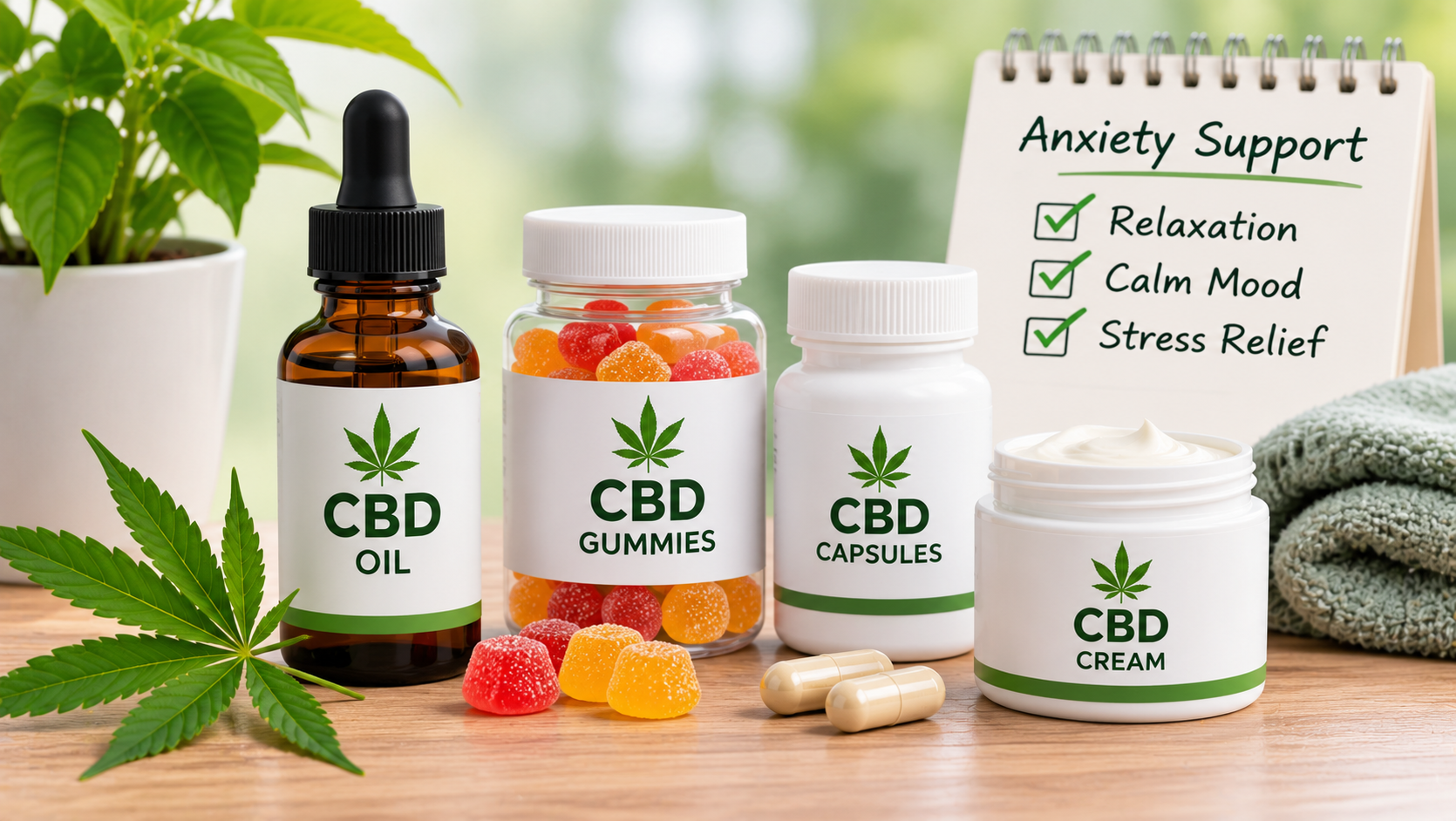
Anxiety can affect emotional well-being, sleep quality, concentration, and everyday activities. Cannabidiol, commonly known as CBD, has attracted attention as a potential option for managing anxiety symptoms. People searching for the best CBD products for anxiety often encounter oils, gummies, capsules, and other formulations.
However, understanding the scientific evidence, potential side effects, and product limitations is essential before considering CBD.
What Is CBD?
CBD is a naturally occurring compound found in cannabis plants. Unlike tetrahydrocannabinol (THC), CBD does not typically produce the intoxicating effects associated with marijuana.
Researchers have investigated its interactions with biological systems involved in mood, stress responses, and emotional regulation.
Although preliminary research suggests potential anxiety-related benefits, more extensive clinical studies are necessary to establish its effectiveness. pubmed.ncbi.nlm.nih.gov+1
Common Types of CBD Products for Anxiety
CBD Oil
CBD oils are liquid formulations containing cannabidiol and carrier oils. Their ingredients and concentrations vary considerably between manufacturers.
CBD Gummies
CBD gummies are edible products available in different flavors and concentrations. Their effects may be delayed because they pass through the digestive system.
CBD Capsules
Capsules contain predetermined amounts of cannabidiol. However, standardized packaging does not necessarily guarantee accurate ingredients or clinical effectiveness.
CBD Creams
CBD creams and lotions are intended for external application. There is currently insufficient evidence that topical CBD products effectively treat anxiety disorders.
Does CBD Really Help With Anxiety?
Several scientific studies have investigated CBD’s potential effects on anxiety symptoms.
A 2024 systematic review and meta-analysis reported promising results, but researchers emphasized the need for additional high-quality clinical trials.
Currently, no over-the-counter CBD product has been approved by the US Food and Drug Administration for treating anxiety. pubmed.ncbi.nlm.nih.gov+2
Important Factors When Evaluating CBD Products
When researching CBD products, consumers should understand several important quality and safety considerations:
- Accuracy of ingredient labeling.
- Independent laboratory testing.
- Potential THC contamination.
- Possible medication interactions.
- Manufacturer transparency.
- Applicable local regulations.
Avoid products claiming to permanently cure anxiety or guarantee immediate emotional relief. Such marketing claims may lack reliable scientific evidence.
Potential Side Effects of CBD
Despite its natural origin, CBD is not entirely risk-free. Potential side effects include drowsiness, fatigue, diarrhea, and changes in appetite.
CBD may also interact with prescription medications and cause liver injury. Pregnant and breastfeeding individuals should avoid CBD, and people taking medications should consult their healthcare providers before considering it. FDA+1
Alternatives to CBD for Anxiety Management
Several established approaches can help individuals manage anxiety. These include cognitive behavioral therapy, regular physical activity, relaxation techniques, adequate sleep, and professionally prescribed treatments.
Reducing excessive caffeine consumption and maintaining supportive social relationships may also contribute to emotional well-being.
Persistent or severe anxiety should be evaluated by a qualified healthcare professional.
Final Thoughts
Finding the best CBD products for anxiety requires understanding both potential benefits and scientific limitations. Although early research appears promising, no commercial CBD product has been established as the best anxiety treatment.
Prioritizing professional medical guidance, evidence-based treatments, and product safety remains essential for achieving sustainable emotional well-being.
