
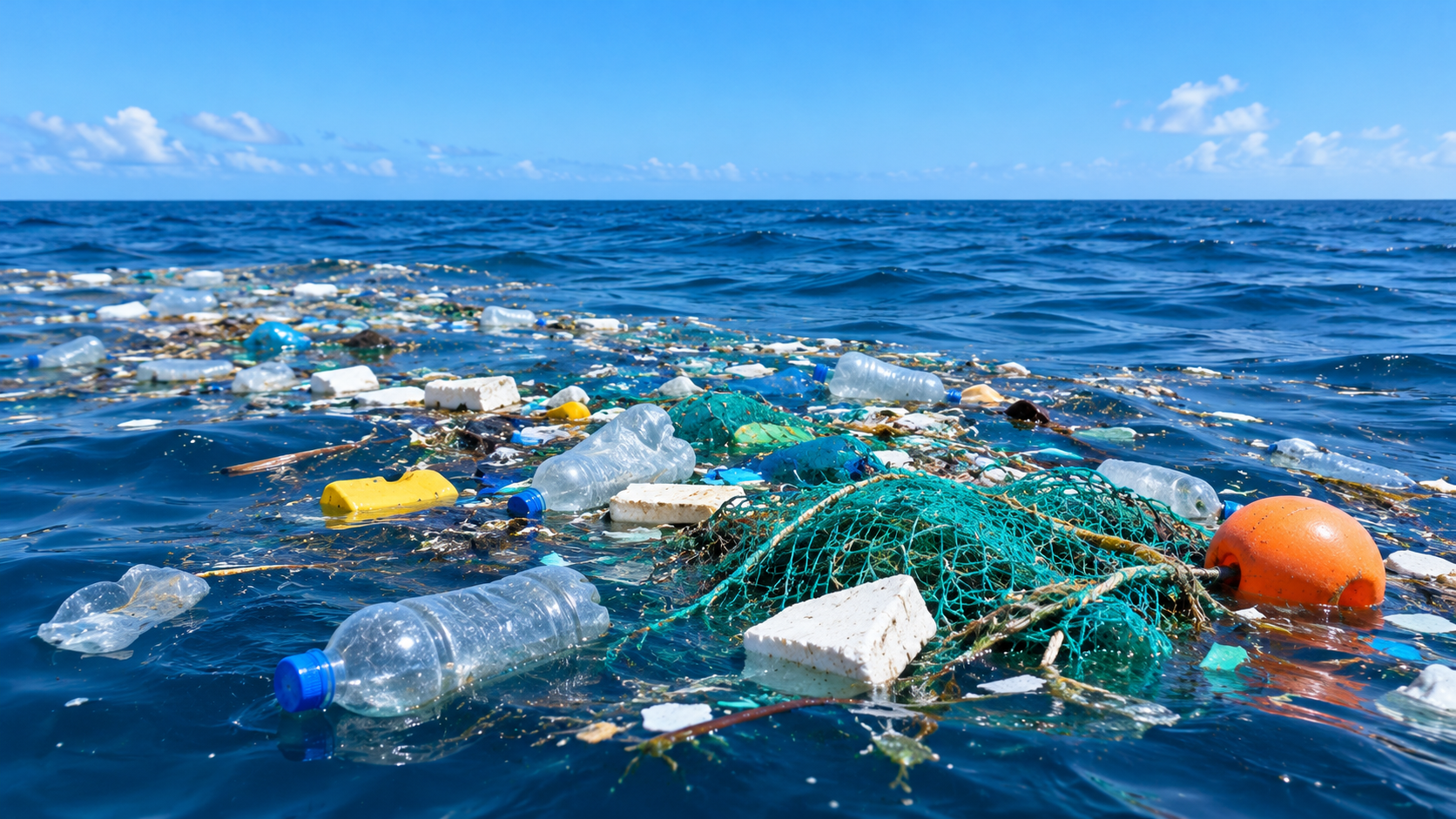
The garbage patch Pacific Ocean region is one of the world’s most concerning examples of marine plastic pollution. Known as the Great Pacific Garbage Patch, this enormous accumulation of floating debris threatens marine ecosystems and highlights the growing problem of plastic waste. Understanding its location, causes, and environmental effects can help explain why protecting oceans requires global attention and practical solutions.
What Is the Great Pacific Garbage Patch?
The Great Pacific Garbage Patch is a large area of concentrated marine debris located in the North Pacific Ocean.
It contains discarded fishing equipment, plastic packaging, bottles, and countless tiny plastic particles called microplastics.
Contrary to popular belief, the patch is not a solid island of floating garbage. Instead, plastic debris is scattered throughout an enormous area of ocean water.
Where Is the Pacific Garbage Patch Located?
The Great Pacific Garbage Patch lies primarily between Hawaii and California.
It forms within the North Pacific Subtropical Gyre, a system of rotating ocean currents.
These currents gradually transport and concentrate floating debris in particular regions.
Because winds and ocean movements constantly change, the patch does not have fixed boundaries.
How Big Is the Great Pacific Garbage Patch?
A major scientific study published in 2018 estimated that the Great Pacific Garbage Patch covered approximately 1.6 million square kilometers.
Researchers also estimated that it contained around 1.8 trillion plastic pieces weighing approximately 79,000 metric tons.
These historical estimates describe an area of plastic accumulation rather than a continuous floating landmass.
The exact size and amount of debris remain difficult to measure because ocean conditions constantly change.
What Causes the Pacific Garbage Patch?
Plastic pollution enters oceans through several pathways.
1. Improper Plastic Waste Disposal
Discarded packaging, containers, and other plastic products can enter rivers and eventually reach the ocean.
2. Abandoned Fishing Equipment
Lost fishing nets, ropes, and other equipment contribute significantly to offshore plastic pollution.
3. Ocean Currents
Rotating ocean currents concentrate floating debris, allowing plastic to accumulate over time.
4. Plastic Breakdown
Sunlight and wave action gradually break larger plastic objects into smaller fragments.
These microplastics can remain in marine environments for extended periods.
Environmental Effects of the Garbage Patch
The garbage patch Pacific region creates several serious environmental concerns.
Marine wildlife: Turtles, seabirds, and fish may mistake plastic fragments for food.
Entanglement: Abandoned fishing nets can trap marine animals, causing injuries or death.
Microplastic pollution: Small plastic particles can enter marine food webs.
Ecosystem disruption: Floating debris may transport organisms into environments where they do not naturally belong.
These problems demonstrate how discarded materials can affect marine ecosystems far from human settlements.
How Can the Great Pacific Garbage Patch Be Cleaned?
Removing ocean plastic requires a combination of prevention and cleanup efforts.
Organizations such as The Ocean Cleanup develop systems designed to collect floating plastic debris.
However, cleanup alone cannot solve the problem while additional waste continues entering oceans.
Reducing unnecessary plastic consumption, improving recycling systems, managing fishing equipment responsibly, and preventing river pollution are important long-term measures.
Final Thoughts
The garbage patch Pacific Ocean problem illustrates the lasting consequences of plastic pollution.
Although the Great Pacific Garbage Patch is not a visible island of trash, its enormous accumulation of debris presents significant environmental challenges.
Protecting marine ecosystems requires better waste management, scientific research, responsible consumption, and continued cooperation to reduce ocean pollution.
