
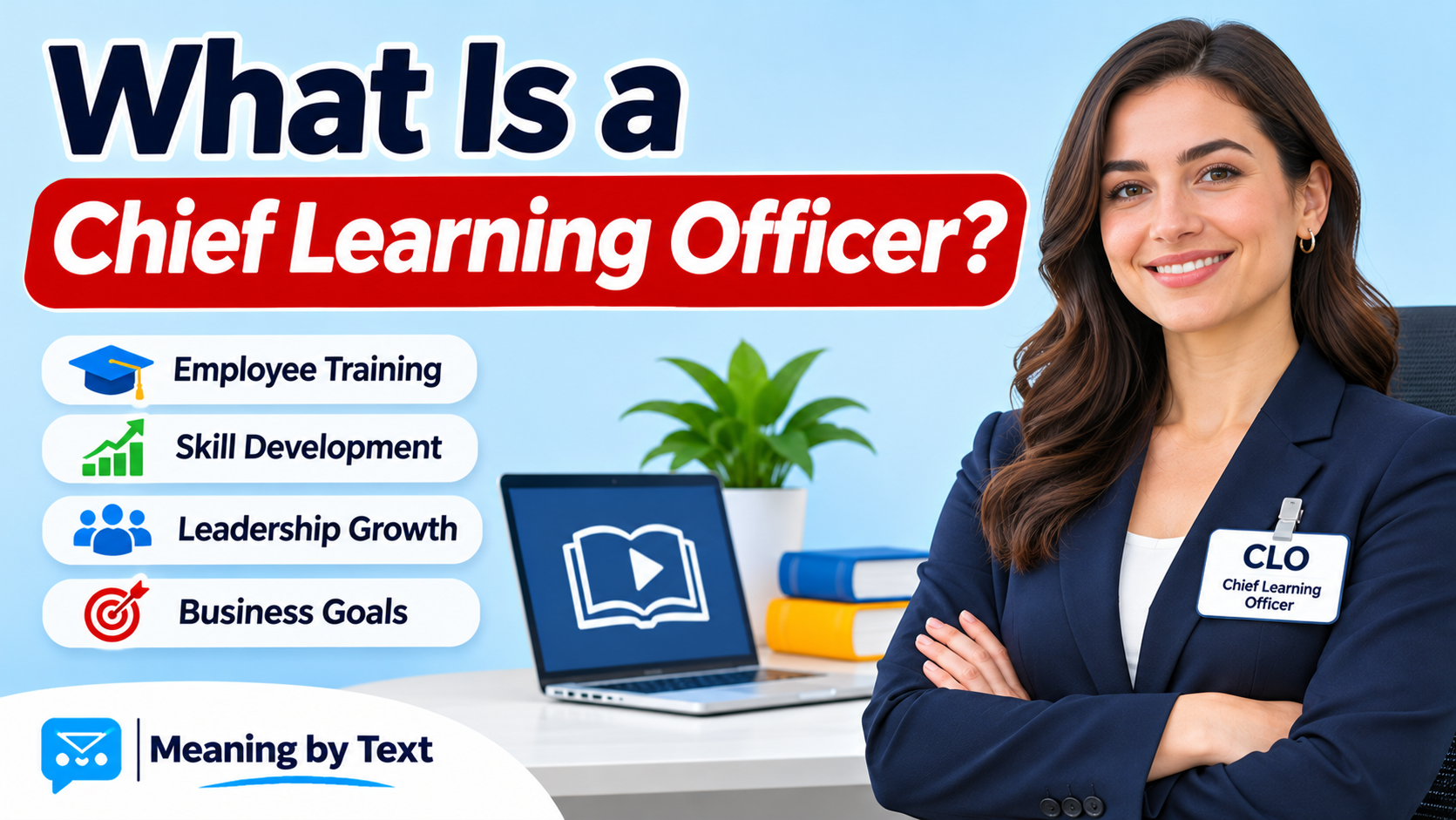
What is a chief learning officer? A Chief Learning Officer (CLO) is a senior executive responsible for managing employee training, professional development, and organizational learning strategies. This leadership position helps businesses develop skilled employees, improve workplace performance, and prepare for future challenges. As technology and job requirements continue changing, chief learning officers play an increasingly important role in helping organizations remain competitive.
What Does a Chief Learning Officer Do?
A chief learning officer oversees an organization’s learning and development activities.
Their primary responsibility is ensuring employees receive the training, resources, and opportunities necessary to develop professional skills.
Unlike traditional training managers, CLOs focus on connecting employee development with long-term business objectives.
They often collaborate with executives, human resources departments, and department managers to identify workforce development priorities.
Key Responsibilities of a Chief Learning Officer
The chief learning officer performs several important duties within an organization.
- Learning Strategy: Develops training plans that support company objectives.
- Employee Development: Creates opportunities for workers to improve professional skills.
- Leadership Training: Prepares managers and future executives for leadership positions.
- Technology Integration: Introduces digital learning platforms and modern training tools.
- Performance Evaluation: Measures whether training programs improve employee performance.
- Budget Management: Oversees spending on learning programs and professional development.
These responsibilities help organizations maintain an adaptable and knowledgeable workforce.
What Skills Does a Chief Learning Officer Need?
Successful chief learning officers combine leadership abilities with expertise in organizational development.
Leadership and Communication
Strong communication skills help CLOs explain learning strategies and motivate employees.
They must also collaborate with senior executives and manage learning teams effectively.
Strategic Planning
Chief learning officers need to understand business objectives and identify skills employees will require in the future.
This allows organizations to prepare for industry changes and new opportunities.
Technology Knowledge
Modern workplace learning increasingly involves artificial intelligence, online training platforms, and learning management systems.
CLOs evaluate these technologies and determine how they can support employee development.
How to Become a Chief Learning Officer
Becoming a chief learning officer usually requires education, professional experience, and leadership skills.
Many professionals begin with degrees in human resources, business administration, education, or organizational development.
They often gain experience as training specialists, learning and development managers, or HR leaders.
Advanced qualifications, including master’s degrees and professional certifications, may strengthen career opportunities.
However, practical experience managing teams and developing training strategies remains particularly valuable.
Chief Learning Officer vs. Human Resources Manager
Although both positions support employees, their responsibilities differ.
Human resources managers typically handle recruitment, employee relations, workplace policies, and other HR operations.
Chief learning officers concentrate on organizational learning, professional growth, leadership development, and workforce capabilities.
In larger companies, the CLO may report to the chief executive officer or another senior leader.
Why Are Chief Learning Officers Important?
Businesses regularly face changing technology, new customer expectations, and evolving employee skill requirements.
A chief learning officer helps organizations respond by creating meaningful development opportunities.
Effective learning programs can strengthen employee capabilities, improve workplace performance, and support career advancement.
Understanding what is a chief learning officer highlights why this executive position matters. By connecting employee learning with business goals, CLOs help organizations build stronger teams and prepare for future growth.
