
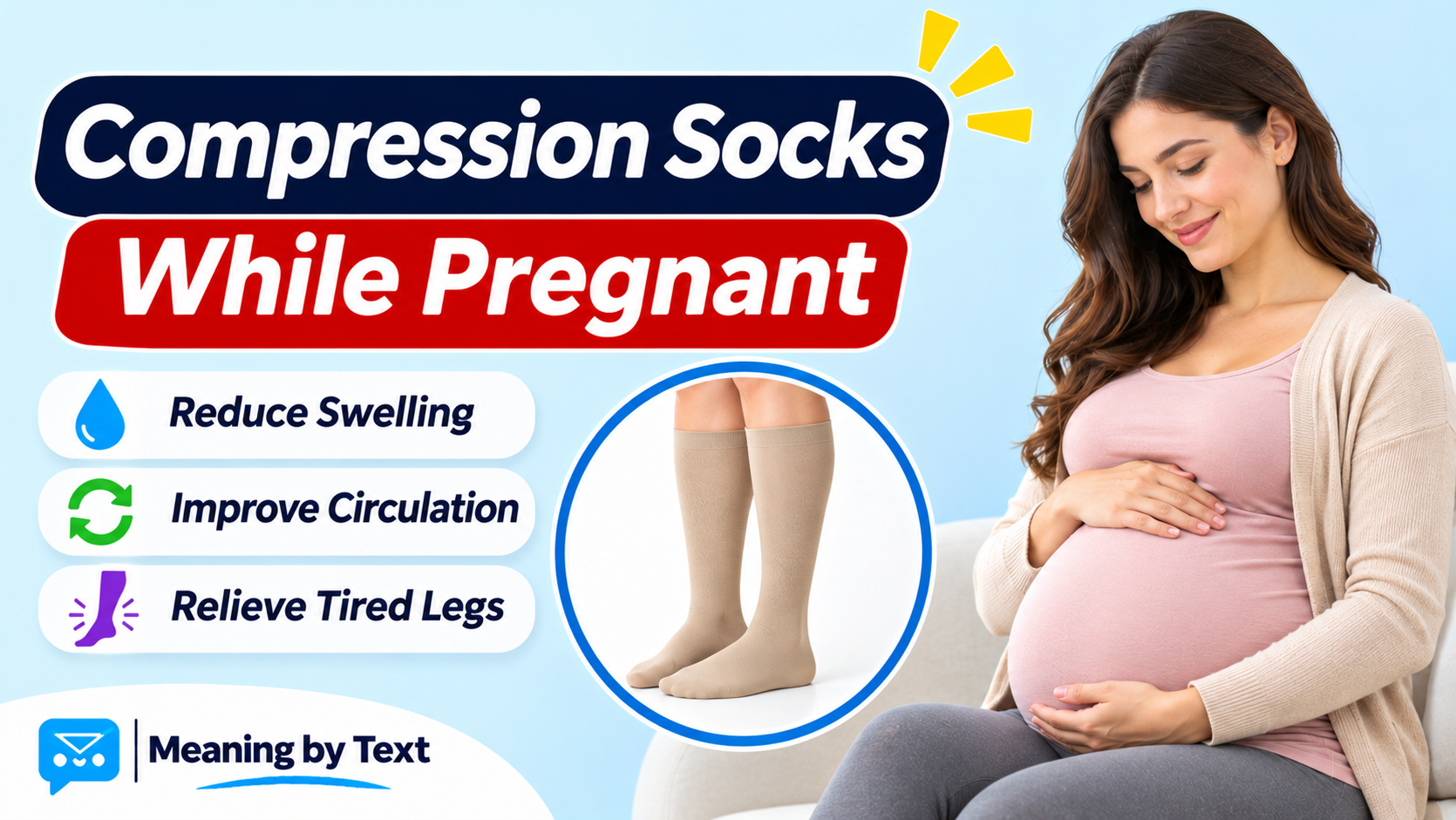
Wearing compression socks while pregnant can help relieve swollen feet, tired legs, and everyday discomfort. Pregnancy increases fluid retention and places additional pressure on leg veins, making swelling especially common during the second and third trimesters. Compression socks provide gentle pressure that supports circulation and reduces fluid buildup. Understanding how to use them correctly can help expectant mothers stay comfortable throughout pregnancy.
Are Compression Socks Safe While Pregnant?
Yes, compression socks are generally safe during pregnancy when properly fitted and used appropriately.
Healthcare professionals often recommend them for managing mild leg swelling and discomfort.
They apply graduated pressure, usually strongest around the ankles, to encourage blood to flow upward toward the heart.
However, women with circulation problems, certain skin conditions, or significant swelling should consult their healthcare provider before wearing them.
Benefits of Wearing Compression Socks During Pregnancy
Compression socks offer several potential benefits for pregnant women.
1. Reduce Foot and Ankle Swelling
Swelling, also called edema, commonly develops as pregnancy progresses.
Compression socks can help limit fluid accumulation in the lower legs, making walking and standing more comfortable.
2. Improve Blood Circulation
Pregnancy hormones and pressure from the growing uterus can slow blood flow through the leg veins.
Graduated compression supports venous blood return and helps reduce blood pooling.
3. Relieve Tired and Aching Legs
Standing or sitting for extended periods may leave legs feeling heavy and uncomfortable.
Supportive compression stockings can help reduce these symptoms during daily activities.
4. Ease Varicose Vein Symptoms
Varicose veins sometimes develop during pregnancy because of increased blood volume and pressure.
Compression socks may ease associated swelling and discomfort, although they cannot guarantee prevention.
What Compression Level Is Best During Pregnancy?
Compression socks are available in several pressure levels.
| Compression Level | Typical Use |
|---|---|
| 8–15 mmHg | Light support |
| 15–20 mmHg | Moderate support |
| 20–30 mmHg | Firmer medical support |
| 30–40 mmHg | Specialist-supervised compression |
The appropriate strength depends on individual symptoms and medical history.
Ask your maternity healthcare professional which compression level is suitable, particularly before using stronger stockings.
When Should You Wear Compression Socks While Pregnant?
Compression socks are generally most useful during daytime activities.
Put them on in the morning before swelling develops, and remove them before bedtime unless your healthcare professional advises otherwise.
They may be helpful during prolonged standing, desk work, or long journeys.
Avoid folding or rolling the tops, as this can create uncomfortable pressure.
How to Choose the Best Pregnancy Compression Socks
Look for graduated compression socks made from breathable, comfortable materials.
Choose the correct size using ankle and calf measurements rather than shoe size alone.
Knee-high stockings are a practical option for many pregnant women.
Remove the socks if they cause pain, numbness, skin discoloration, or worsening swelling.
When Should You Contact a Doctor?
Although gradual swelling is common during pregnancy, sudden or unusual symptoms require attention.
Seek urgent medical advice for painful swelling in one leg, redness, or warmth, which may indicate a blood clot.
Sudden swelling of the face or hands, especially with headaches or vision changes, may indicate pre-eclampsia.
Chest pain or sudden difficulty breathing requires emergency medical care.
Compression socks while pregnant can offer valuable comfort, but they should complement regular prenatal care rather than replace medical treatment.
